



Hyaluronic acid

What is Hyaluronic acid
Hyaluronic acid (HA) is a naturally occurring biopolymer found in almost every tissue in the human body. It plays a critical role in hydration, cellular moisture retention, and supporting the structure of both skin and joints. Approximately 50% of the body’s total HA is found in the skin, where it is essential for cellular regeneration, wound healing, and anti-inflammatory protection.
What is Hyaluronic acid
Hyaluronic acid (HA) is a naturally occurring biopolymer found in almost every tissue in the human body. It plays a critical role in hydration, cellular moisture retention, and supporting the structure of both skin and joints. Approximately 50% of the body’s total HA is found in the skin, where it is essential for cellular regeneration, wound healing, and anti-inflammatory protection.
What is Hyaluronic acid
Hyaluronic acid (HA) is a naturally occurring biopolymer found in almost every tissue in the human body. It plays a critical role in hydration, cellular moisture retention, and supporting the structure of both skin and joints. Approximately 50% of the body’s total HA is found in the skin, where it is essential for cellular regeneration, wound healing, and anti-inflammatory protection.
How Is Hyaluronic Acid Naturally Produced?
The body produces HA through specialized cells such as fibroblasts, which release it into the extracellular matrix. It has a very short lifespan, particularly in the skin, where its cycle of renewal occurs every few hours.
Hyaluronic acid is incredibly hygroscopic—one molecule can hold up to 1,000 times its weight in water, making it vital to maintaining the body's natural hydration balance.
How Is Hyaluronic Acid Naturally Produced?
The body produces HA through specialized cells such as fibroblasts, which release it into the extracellular matrix. It has a very short lifespan, particularly in the skin, where its cycle of renewal occurs every few hours.
Hyaluronic acid is incredibly hygroscopic—one molecule can hold up to 1,000 times its weight in water, making it vital to maintaining the body's natural hydration balance.
How Is Hyaluronic Acid Naturally Produced?
The body produces HA through specialized cells such as fibroblasts, which release it into the extracellular matrix. It has a very short lifespan, particularly in the skin, where its cycle of renewal occurs every few hours.
Hyaluronic acid is incredibly hygroscopic—one molecule can hold up to 1,000 times its weight in water, making it vital to maintaining the body's natural hydration balance.
Natural, Biological & Synthetic Sources of Hyaluronic Acid
HA used in skincare and medical products may come from:
- Biological origin, synthesized by the body’s own fibroblasts.
- Natural origin, derived from plant substrates like wheat through fermentation using specific bacteria.
- Synthetic production, created via microbial fermentation in sterile lab conditions to ensure purity.
Regardless of the source, the chemical structure remains identical, making it safe and effective for both cosmetic and therapeutic use.
Natural, Biological & Synthetic
Sources of Hyaluronic Acid
HA used in skincare and medical products may come from:
- Biological origin, synthesized by the body’s own fibroblasts.
- Natural origin, derived from plant substrates like wheat through fermentation using specific bacteria.
- Synthetic production, created via microbial fermentation in sterile lab conditions to ensure purity.
Regardless of the source, the chemical structure remains identical, making it safe and effective for both cosmetic and therapeutic use.
Natural, Biological & Synthetic Sources of Hyaluronic Acid
HA used in skincare and medical products may come from:
- Biological origin, synthesized by the body’s own fibroblasts.
- Natural origin, derived from plant substrates like wheat through fermentation using specific bacteria.
- Synthetic production, created via microbial fermentation in sterile lab conditions to ensure purity.
Regardless of the source, the chemical structure remains identical, making it safe and effective for both cosmetic and therapeutic use.
Cosmetic Applications: The Key to Youthful Skin
Hyaluronic acid is a cornerstone ingredient in serums, moisturizers, and facial masks due to its ability to:
- Deliver deep hydration and improve skin elasticity
- Reduce the appearance of wrinkles and fine lines
- Revitalize dull or dehydrated skin
- Provide antioxidant defense against environmental stressors
Often called the “moisturizing molecule of nature,” HA supports a radiant, firm, and youthful complexion.
Cosmetic Applications:
The Key to Youthful Skin
Hyaluronic acid is a cornerstone ingredient in serums, moisturizers, and facial masks due to its ability to:
- Deliver deep hydration and improve skin elasticity
- Reduce the appearance of wrinkles and fine lines
- Revitalize dull or dehydrated skin
- Provide antioxidant defense against environmental stressors
Often called the “moisturizing molecule of nature,” HA supports a radiant, firm, and youthful complexion.
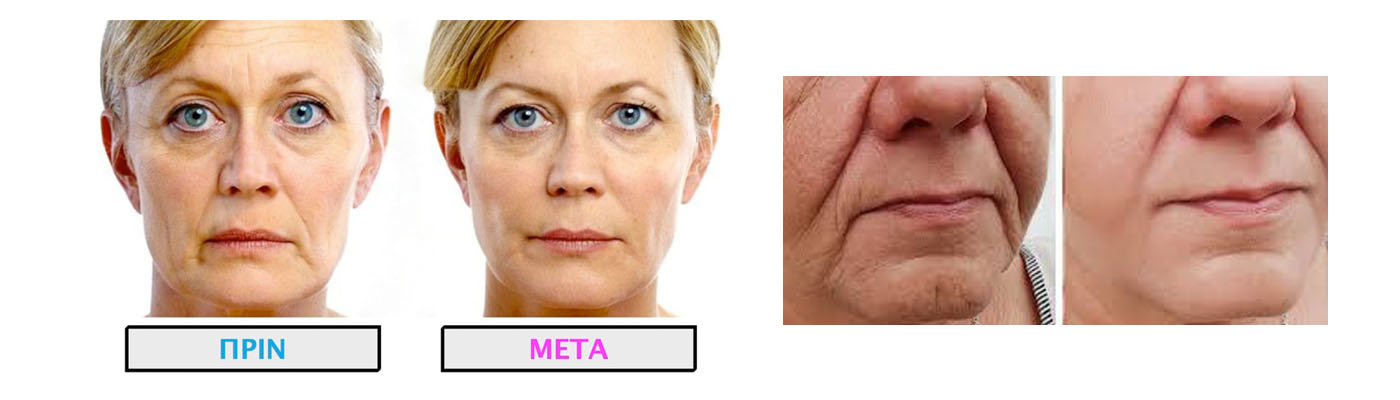
Cosmetic Applications: The Key to Youthful Skin
Hyaluronic acid is a cornerstone ingredient in serums, moisturizers, and facial masks due to its ability to:
- Deliver deep hydration and improve skin elasticity
- Reduce the appearance of wrinkles and fine lines
- Revitalize dull or dehydrated skin
- Provide antioxidant defense against environmental stressors
Often called the “moisturizing molecule of nature,” HA supports a radiant, firm, and youthful complexion.
Medical Applications: Joint Lubrication & Pain Relief
HA also plays a crucial role in joint lubrication and shock absorption. In people with osteoarthritis, the natural levels of HA in the joints diminish, causing friction, inflammation, and pain.
Medical Applications: Joint
Lubrication & Pain Relief
HA also plays a crucial role in joint lubrication and shock absorption. In people with osteoarthritis, the natural levels of HA in the joints diminish, causing friction, inflammation, and pain.
Medical Applications: Joint Lubrication & Pain Relief
HA also plays a crucial role in joint lubrication and shock absorption. In people with osteoarthritis, the natural levels of HA in the joints diminish, causing friction, inflammation, and pain.
Hyaluronic Acid Injections for Osteoarthritis
- Administered directly into the joint (typically the knee).
- Aims to restore lubrication, reduce inflammation, and improve mobility.
- Treatment plans may include 1 or 3–5 injections, depending on HA concentration and the severity of the condition.
- Results may last months or even years, especially in early-stage arthritis.
Hyaluronic Acid Injections for Osteoarthritis
- Administered directly into the joint (typically the knee).
- Aims to restore lubrication, reduce inflammation, and improve mobility.
- Treatment plans may include 1 or 3–5 injections, depending on HA concentration and the severity of the condition.
- Results may last months or even years, especially in early-stage arthritis.
Hyaluronic Acid Injections for Osteoarthritis
- Administered directly into the joint (typically the knee).
- Aims to restore lubrication, reduce inflammation, and improve mobility.
- Treatment plans may include 1 or 3–5 injections, depending on HA concentration and the severity of the condition.
- Results may last months or even years, especially in early-stage arthritis.
Possible (Rare) Side Effects:
- Mild inflammation or joint discomfort
- Allergic reactions
- Swelling (usually temporary)
Possible (Rare) Side Effects:
- Mild inflammation or joint discomfort
- Allergic reactions
- Swelling (usually temporary)
Possible (Rare) Side Effects:
- Mild inflammation or joint discomfort
- Allergic reactions
- Swelling (usually temporary)
Cost & Choosing the Right Product
HA pricing varies depending on:
- Its origin (natural, biotechnological, synthetic)
- Purity, density, and concentration
- Manufacturing quality and certifications (e.g., EU-approved vs. non-EU or uncertified imports)
Patients should always consult a qualified physician to choose the appropriate treatment and avoid risks associated with uncertified products or unauthorized providers.
Cost & Choosing the Right Product
HA pricing varies depending on:
- Its origin (natural, biotechnological, synthetic)
- Purity, density, and concentration
- Manufacturing quality and certifications (e.g., EU-approved vs. non-EU or uncertified imports)
Patients should always consult a qualified physician to choose the appropriate treatment and avoid risks associated with uncertified products or unauthorized providers.
Cost & Choosing the Right Product
HA pricing varies depending on:
- Its origin (natural, biotechnological, synthetic)
- Purity, density, and concentration
- Manufacturing quality and certifications (e.g., EU-approved vs. non-EU or uncertified imports)
Patients should always consult a qualified physician to choose the appropriate treatment and avoid risks associated with uncertified products or unauthorized providers.
Final Thoughts
Hyaluronic acid is an exceptionally valuable component in both aesthetic care and therapeutic medicine. Its versatility, safety, and effectiveness in hydrating, lubricating, and regenerating tissues make it an indispensable tool in modern skincare and joint health.
Final Thoughts
Hyaluronic acid is an exceptionally valuable component in both aesthetic care and therapeutic medicine. Its versatility, safety, and effectiveness in hydrating, lubricating, and regenerating tissues make it an indispensable tool in modern skincare and joint health.
Final Thoughts
Hyaluronic acid is an exceptionally valuable component in both aesthetic care and therapeutic medicine. Its versatility, safety, and effectiveness in hydrating, lubricating, and regenerating tissues make it an indispensable tool in modern skincare and joint health.

Do you need a second opinion? The doctor will be happy to advise you!